

About The Lunch Box Fund
The Lunch Box Fund was created to help Arkansas students, families, and schools where food insecurity meets the school day.
We are building a community-supported grant fund to help reduce unpaid student meal balances and support children facing food insecurity with dignity, care, and practical help.
Why We Exist
The Lunch Box Fund was created to support Arkansas students, families, and schools where food insecurity meets the school day.
For many families, the cost of school meals can become one more pressure in an already difficult season. When balances go unpaid, schools are often left managing the gap while continuing to care for students.
The Lunch Box Fund exists to help communities respond. In our first year, we are building a community-supported grant fund to create end-of-year grantmaking opportunities for Arkansas schools, districts, and school communities facing meaningful need.
Our goal is simple: help children receive meals without shame, stigma, or unnecessary stress — while giving schools another tool to support students and families.
Because every child deserves lunch.
Our Approach
We believe support should be practical, transparent, and responsible.
That is why The Lunch Box Fund is building the fund first, then awarding grants based on actual dollars available, demonstrated need, and mission alignment.
This approach allows us to make responsible commitments, build trust with school partners, and direct support where it can make a meaningful difference.

What Guides Us
Dignity
No child should feel singled out because of a school meal balance.
Practical support
We focus on real financial pressure points that affect students, families, and schools.
Parent perspective
We are parents with children in the school system, so this work is personal to us. We understand how important it is for schools to be places where children feel cared for, included, and ready to learn.
Community generosity
Small gifts, monthly gifts, business support, and local partnerships can come together to create meaningful help.
Responsible growth
As a first-year organization, we are building carefully, communicating clearly, and awarding support based on funds actually available.
By the numbers
1 in 5 Arkansans experiences food insecurity (link)
Food insecurity affects families in every corner of Arkansas—urban, rural, and everywhere in between. For many households, consistent access to nutritious meals is not guaranteed.
1 in 4 Arkansas children faces hunger (link)
Too many children in Arkansas face hunger during critical years of growth, learning, and development. No child should have to worry about where their next meal will come from.
168,000+ children in the state are food insecure (link)
More than 168,000 children across our state live in households facing uncertainty around food access. Behind every number is a child who deserves stability, dignity, and the chance to thrive.
Arkansas consistently ranks among the highest states in the nation for food insecurity (link)
Arkansas continues to face one of the highest rates of food insecurity in the country. That means the need for community support, school partnerships, and consistent solutions remains urgent.
Why School Meals Matter
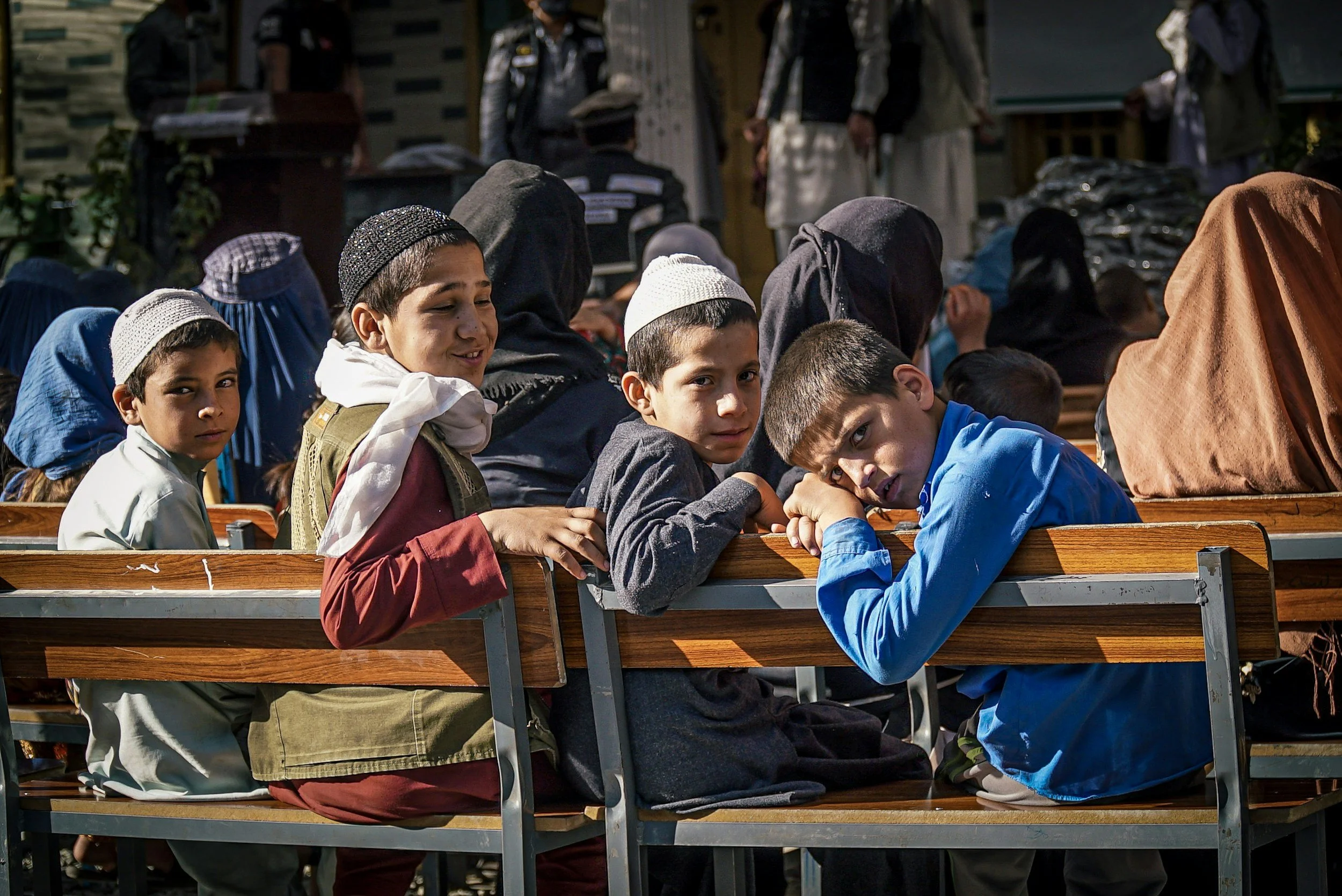
School meals are more than food. They help children focus, learn, grow, and participate fully in the school day.
For children facing food insecurity, school breakfast and lunch may be among the most reliable meals they receive. Consistent access to meals supports student well-being, classroom readiness, and family stability.
At The Lunch Box Fund, we believe a meal can mean dignity, stability, and one less barrier between a child and their education.
Then keep your “Learn more” links underneath.